Four Major Functions
Thangka paintings, with their distinctive craftsmanship, lightweight and portable form, rich and varied content, exquisite depictions, and masterful techniques, are deeply cherished and treasured by people worldwide. Their unique artistic characteristics endow them with the following functions.
Worship Function
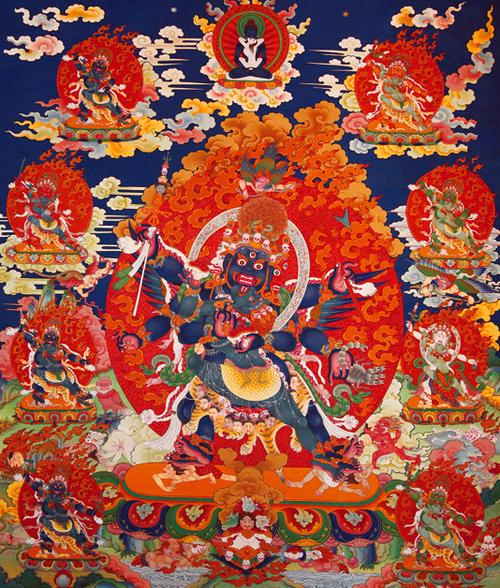
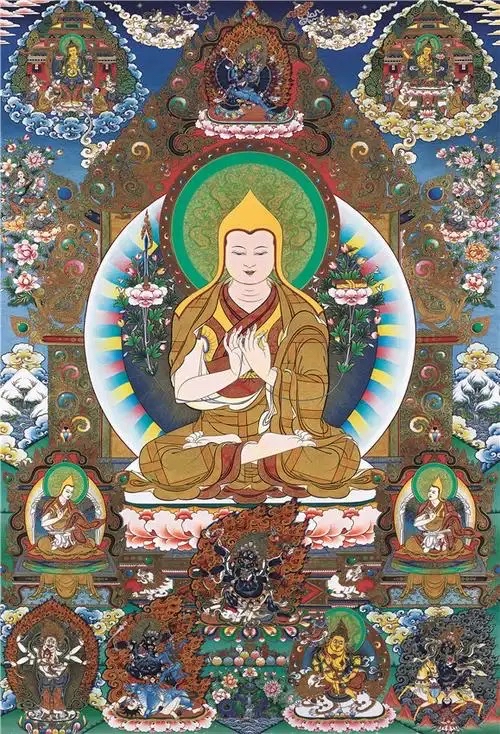
The Tibetan people dwell on the snow-capped plateau, where their nomadic lifestyle driven by water and pasture dictates the need for a portable vessel. This vessel must enable them to constantly honor body, speech, and mind; accumulate merit; seek happiness; pay homage; and praise the Buddha. Thangkas, both in their form of creation and the subjects they depict, are undoubtedly the most ideal medium. They are even a temple traversing time and space, becoming a portable object of devotion and meditation for Tibetan Buddhist practitioners.
Communication Function
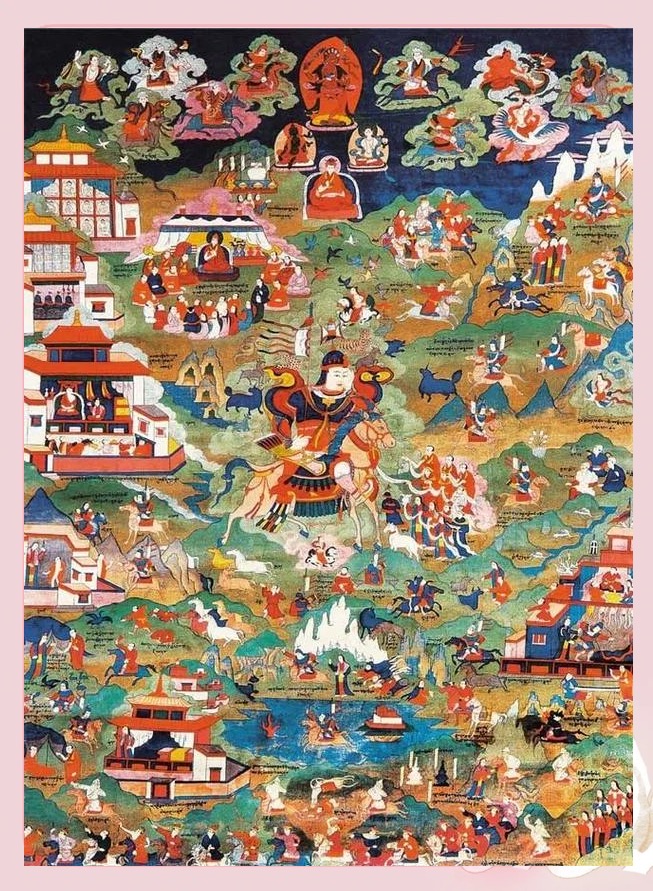
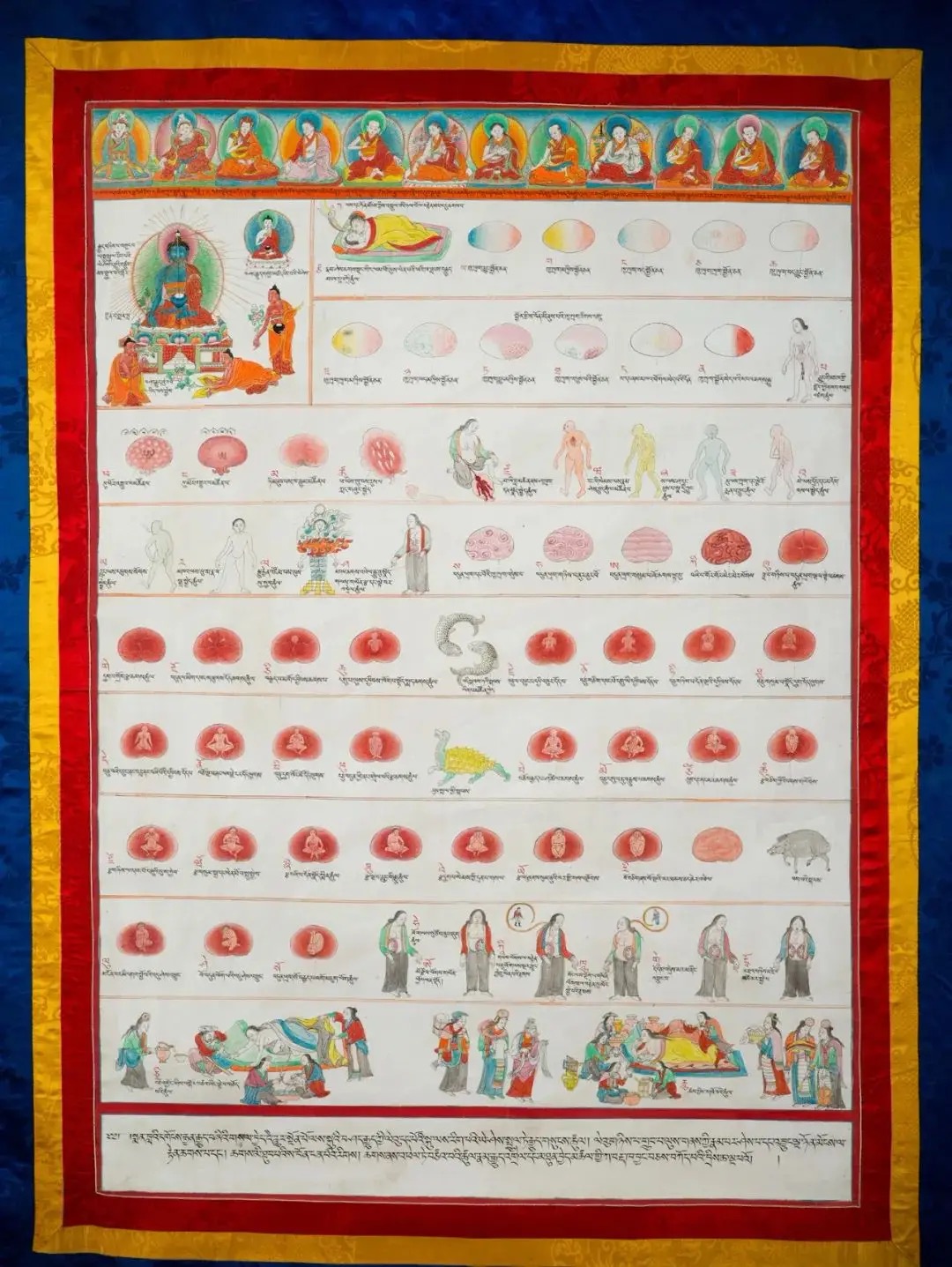
Throughout the history of Tibetan cultural development, Thangkas have conveyed Tibetan culture through imagery, chronicled the nation's journey, and expressed the Tibetan people's unwavering spiritual pursuit.For instance, important historical figures and significant events, such as Songtsen Gampo and Princess Wencheng, have been vividly depicted in Thangkas. Similarly, medical Thangkas like the "Diagram of the Pulse" and the "Diagram of Embryonic Development" serve as carriers for disseminating Tibetan medical knowledge. Much like the instructional diagrams used today, they provide a more intuitive and sensory understanding, clearly demonstrating their role as visual knowledge aids.
Purification function
Throughout the process of creating and venerating Thangkas, people are motivated by a profound reverence and devotion to the Buddhist teachings. This practice serves as a path to taking refuge in the Dharma, accumulating virtuous karma, and purifying the mind.It is evident that the creation of thangkas is not merely an artistic endeavor, but rather a form of spiritual practice. Through this practice, practitioners purify their minds, dispel various afflictions, and attain inner peace and tranquility.
Aesthetic function
Undoubtedly, Thangka, as an art form unique to the Tibetan people, embodies the aesthetic concepts and artistic sensibilities of the Tibetan nation.Whether in its rich, balanced, and meticulous composition, its vibrant colors, flowing lines, or the overall texture and dynamism of the entire scene, it brims with the distinctive characteristics of the plateau and nomadic peoples.
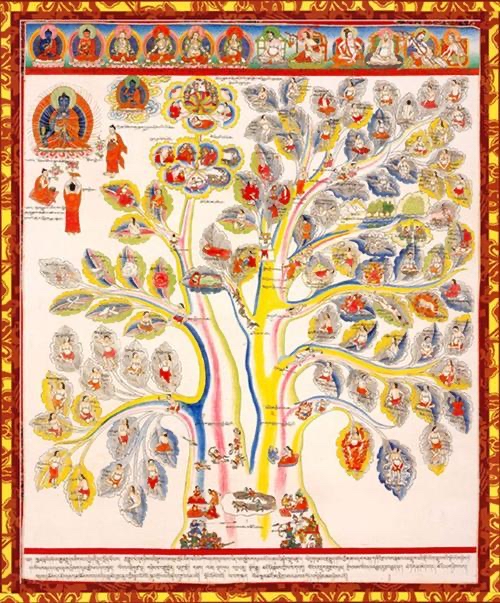
With the development of society and shifts in public awareness and perspectives, the religious connotations of Thangkas have been somewhat diminished, while their aesthetic function has become increasingly prominent. Particularly in contemporary times, the aesthetic role of Thangkas has undergone significant expansion, with their artistic and aesthetic qualities breaking free from religious constraints and venturing into broader horizons.