Masterpieces of Painting
Thangka is a distinctive art form in Tibetan culture with a history spanning over 1,400 years. It possesses profound religious significance and a unique artistic style, standing as a treasure of China's ethnic painting art.
The Meaning of "Thangka"
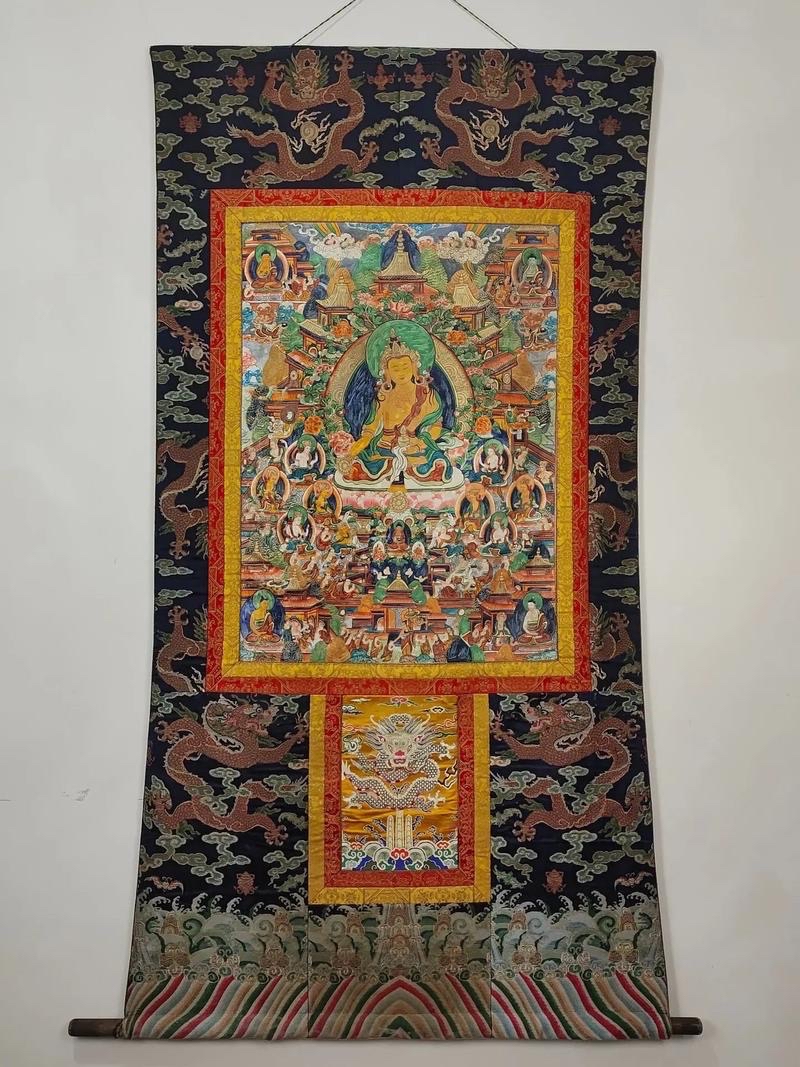
Thangka is a transliteration of the Tibetan term, also known as Thang-ga or Thang-ka. In Chinese, it has several translations: First, "scroll painting," as thangkas feature painting scrolls—referred to in Tibetan as "tangshin"—which facilitate hanging for worship, viewing, and portable storage; Second, it is called a "cloth painting." Third, it is referred to as a "flat painting." Another interpretation describes it as a religious artwork mounted on colored silk. Considering the characteristics and functions of thangkas, the Chinese translation
"scroll painting" is the most accurate.
Materials of Thangka PaintingsThangkas resemble scroll paintings found in Han Chinese regions, typically painted or embroidered onto cloth, silk, or paper. They are then mounted by sewing silk threads through the fabric, featuring a thin cord at the top for hanging and ornate finials at both ends of the bottom scroll bar. The artwork is covered with a thin silk cloth and adorned with two colored ribbons.There are also a small number of kesi, embroidered, appliqué, and pearl thangkas, featuring a rich variety of materials. For instance, embroidered thangkas are crafted using multicolored silk threads, with landscapes, figures, flowers, birds, pavilions, and towers all rendered through embroidery.Brocade thangkas are woven with satin weft threads and multiple colored silk warp threads, employing an interlaced jacquard technique. They are then affixed onto fabric, hence also known as "patchwork embroidery."
The Painting of Thangkas
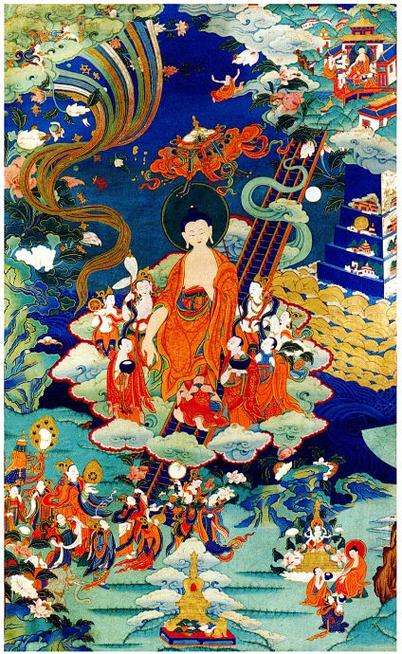
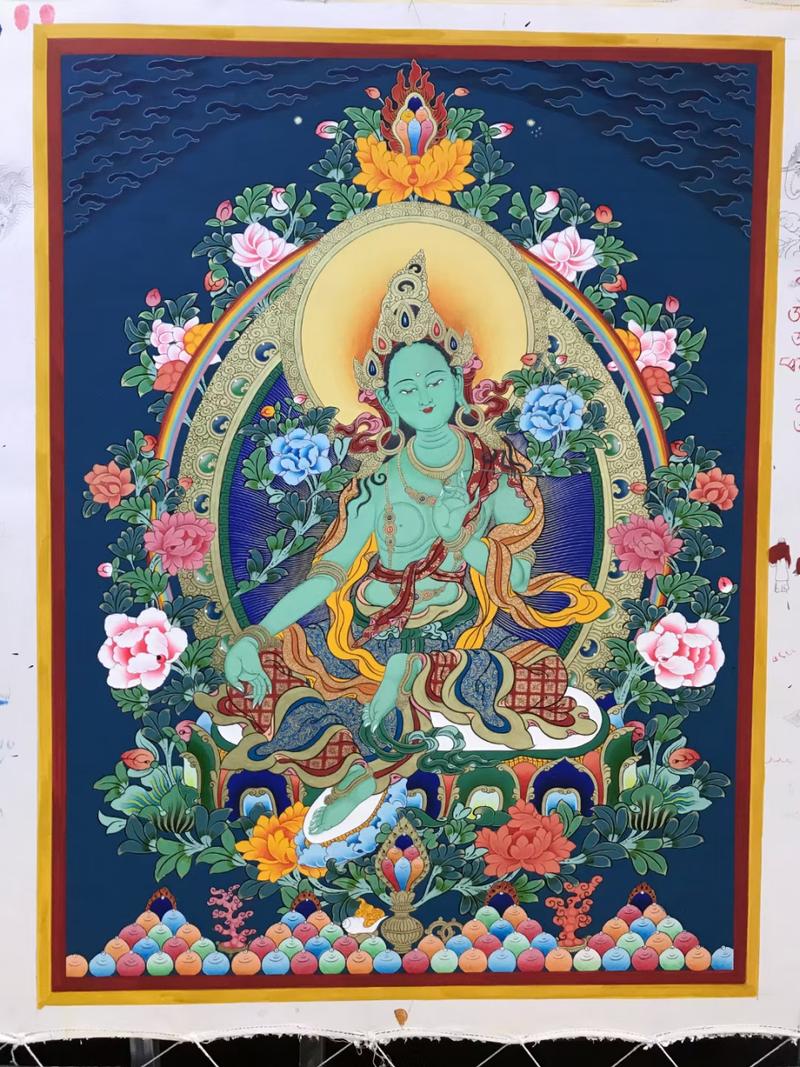
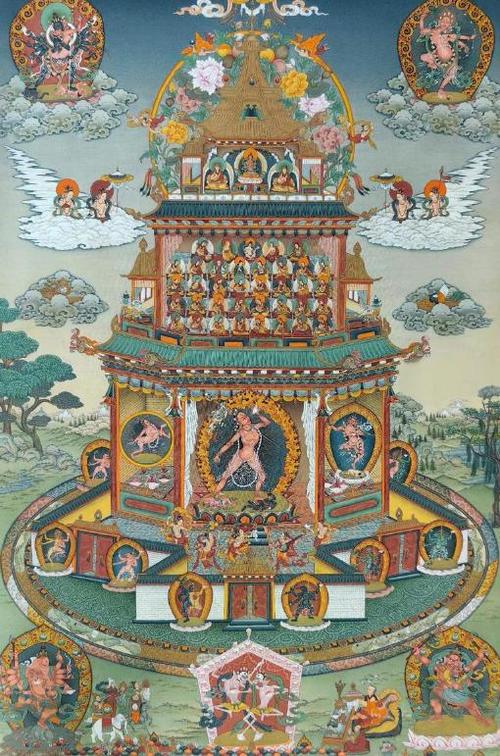
The creation of thangkas is an extremely intricate process. Their content is rich and diverse, predominantly featuring deities from Tibetan Buddhism such as Buddhas, Bodhisattvas, and spiritual masters of various sects. They also depict Tibetan history, astronomy and geography, Tibetan medicine and pharmacology, as well as historical figures. The materials used are exceptionally refined—pigments are entirely derived from natural minerals and plant sources, yielding vibrant hues that resist fading over time. Even after centuries or millennia, the paintings retain their resplendent brilliance, radiant as if newly created.Thangka paintings embody the rich cultural essence of the snow-capped regions, chronicling Tibet's civilization, history, and development.
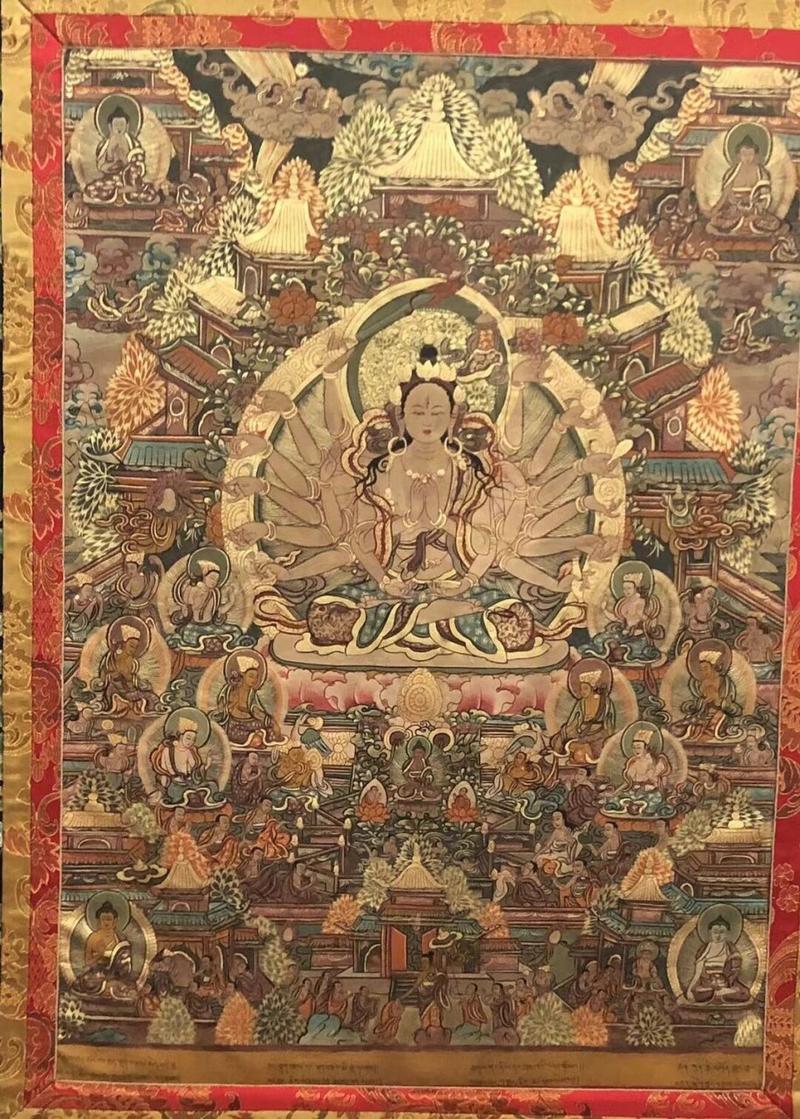
Thangkas are categorized by purpose: those for spiritual practice, primarily used for visualization and worship during meditation; those for adornment, painted by lay devotees themselves or commissioned from artists and then offered to monasteries to decorate shrines; and those for teaching the Dharma, displayed at major markets or in front of monasteries for the public and pilgrims to view, where stories are sung or recited to educate the masses.Common examples include thangkas depicting the Buddha's Jataka tales, the life story of Guru Rinpoche, and the Pure Land of Amitabha Buddha.