Tibetan thangka art uses natural pigments, organic cotton, and bovine bone glue, crafted by skilled artisans to create durable, spiritually meaningful paintings that inspire meditation and tradition.
Daily routines often leave little room for moments of spiritual reflection, and many find that typical home decor fails to connect with deeper senses of peace or tradition. Searching for meaningful art that also complements a mindful lifestyle can lead one to explore the niche world of Tibetan Buddhist art. For those who appreciate authenticity, discovering a tibetan thangka for sale presents an opportunity to invite centuries-old craftsmanship into modern living spaces. With offerings like tibetan thangka online, art enthusiasts can embrace hand-painted works that not only beautify but also inspire spiritual awareness. The blend of ritual significance and aesthetic charm found in thangka painting online highlights how traditional techniques continue to meet contemporary appreciation and spiritual needs.
Use of Natural Mineral Pigments and Organic Cotton in Tibetan Thangka Painting
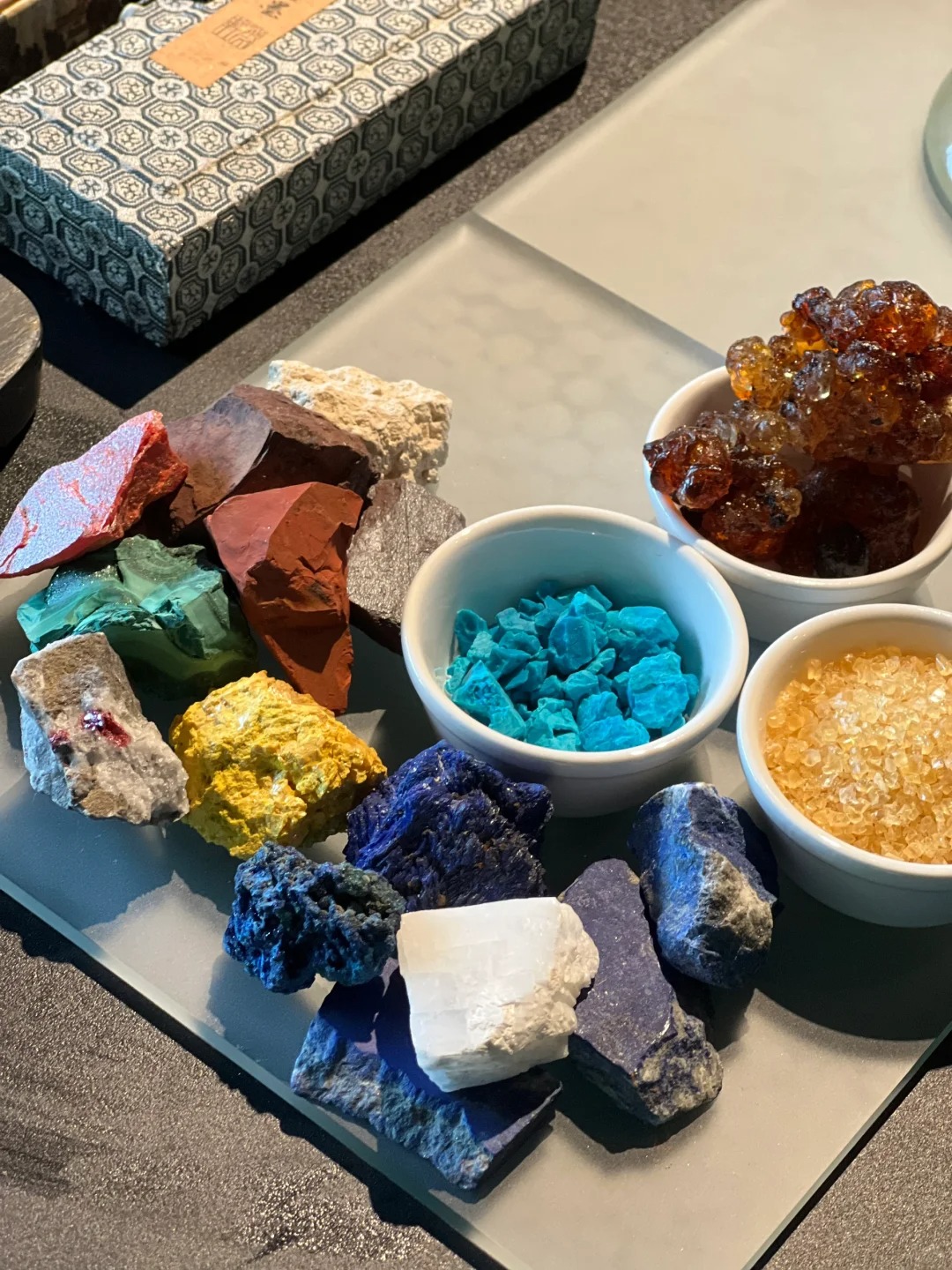
At the heart of authentic Tibetan thangka for sale is the delicate and intentional use of natural materials that connect the artwork deeply to the environment and Tibetan culture. This art form traditionally employs natural mineral pigments derived from minerals, leaves, and roots, lending vivid yet harmonious colors that age gracefully without fading harshly. The pigments are prepared with bovine bone glue, which acts as both a binder and a preservative, creating textures unique to these sacred paintings. The base fabric for these thangka paintings is organic cotton, a choice that enhances the artwork's durability and spiritual alignment with natural elements. The natural fibers offer a fine canvas that breathes with the pigments, enabling hand-painted details to maintain clarity and depth through decades. Those exploring tibetan buddhist art online will notice how these materials contribute not only to the visual appeal but also to the art's suitability for meditation and devotional practices. This seamless integration of natural resources emphasizes the ancient wisdom behind the creation process, making each piece a living testament to sustainable artistry cherished by users seeking meaning beyond mere decoration.
Techniques Involving Bovine Bone Glue for Authentic Buddhist Thangka Textures
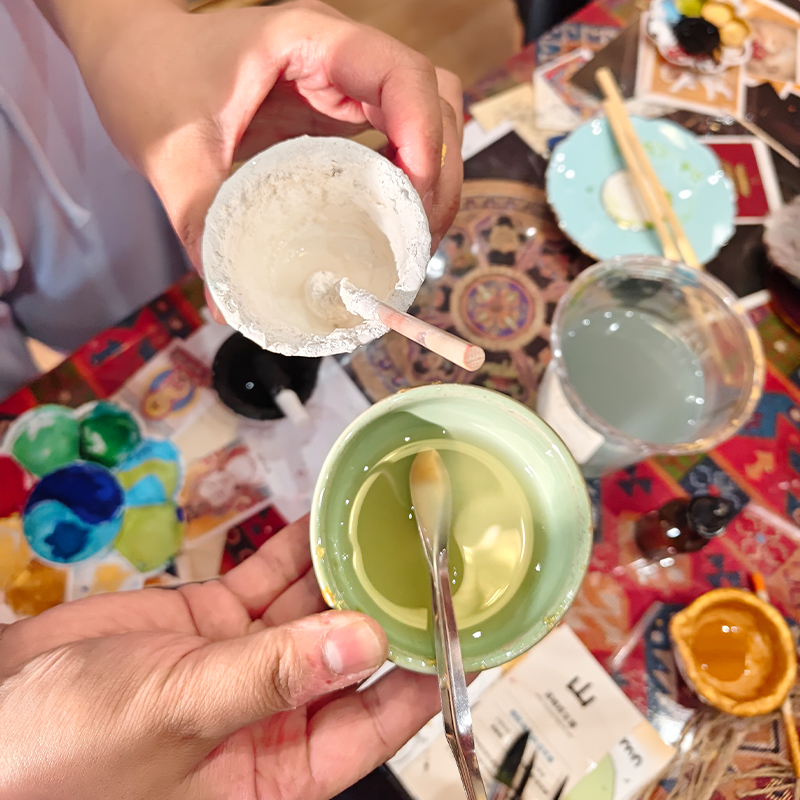
One of the defining features that set a thangka painting for sale apart is the meticulous use of bovine bone glue, which has been part of Tibetan artistic tradition for centuries. This glue works as a key element in the pigment preparation and application, imparting a unique gloss and adherence to the colors while preserving their vibrancy and symbolic integrity. Within the tibetan thangka online market, collectors and practitioners recognize that this glue method not only secures the pigments to the organic cotton but also creates textural nuances that reflect light subtly in a way that synthetic adhesives cannot replicate. The skillful application ensures the longevity of the imagery, allowing sacred symbols and figures like Green Tara and the Five Dhyani Buddhas to retain their intricate expressions and spiritual potency. This technique requires precise temperature control and timing, underscoring why these artworks are genuinely hand-painted by artisans versed in ancient methods. Such craft forms the backbone of trusted tibetan buddhist art online collections, delivering authenticity that resonates emotionally and visually with those who seek spiritual artifacts thoughtfully created to endure both time and use.
The Importance of Skilled Artisanship in Producing Unique Tibetan Thangka Works
Beyond materials and glue techniques, the essence of any thangka painting online lies in the skill and dedication of the artisans who bring these sacred images to life. Each piece classified as tibetan thangka for sale is the result of countless hours of concentrated effort, precision brushwork, and knowledgeable iconography passed down through generations. The artisans balance religious symbolism with artistic expression, ensuring that every line and color contributes to the peaceful and contemplative aura intended by the green Tara Bodhisattva and other holy figures. This painstaking process cannot be replicated by machines or mass production; it relies on the artists' deep understanding of Buddhist teachings and their creative mastery. Their careful handiwork ensures the artwork's spiritual authenticity, making each thangka a living meditation tool. The presence of such handcrafted pieces enhances a connection to tradition and supports deeper spiritual engagement. Among the Tibetan thangka online, those from artisans like Thangka Atelier are especially valued by collectors and practitioners who seek both reverence and artistry in their Tibetan Buddhist art.
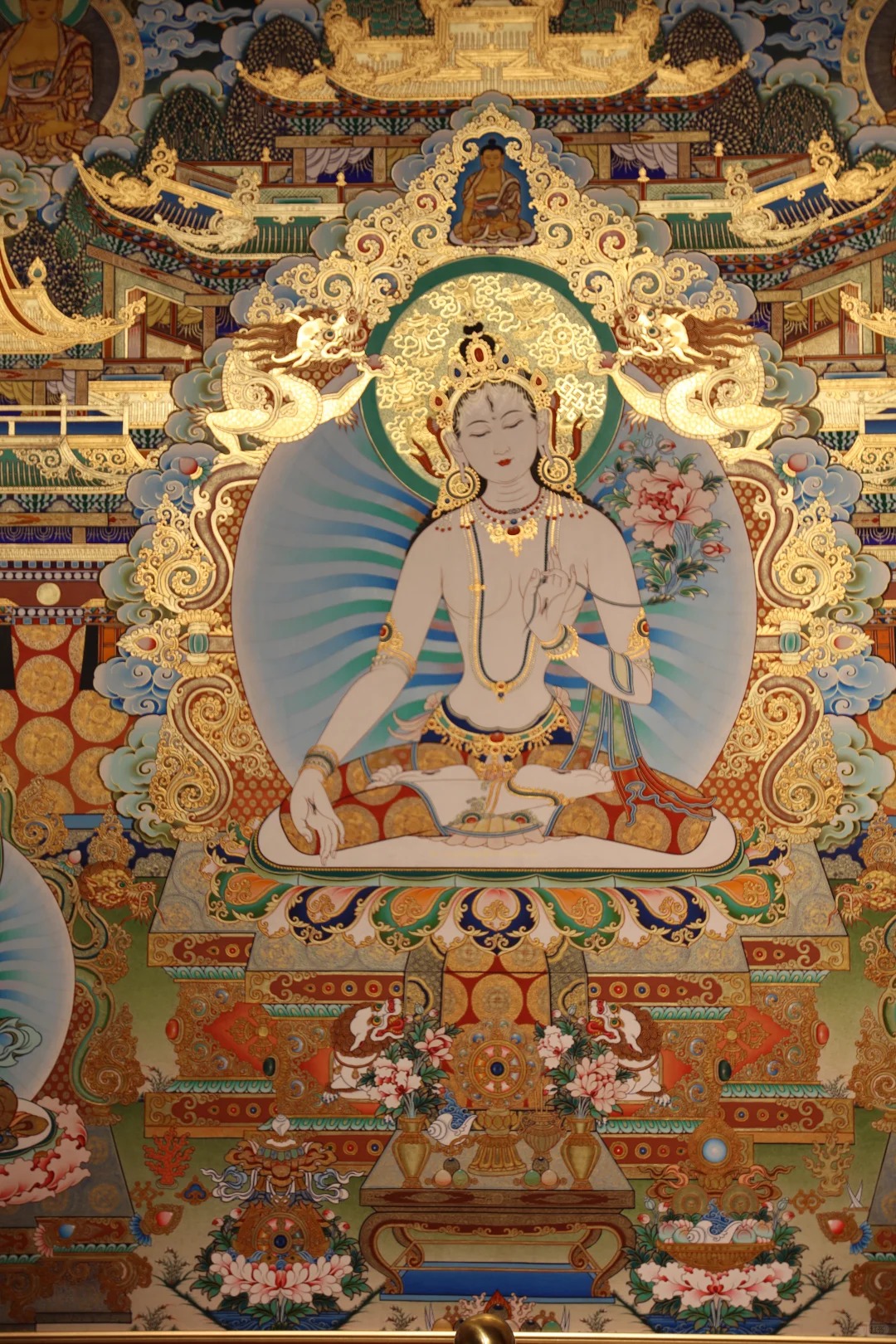
In our hectic modern lives, finding spiritual calm requires more than just souvenirs; it demands artifacts rich with meaning and tradition. A hand-painted thangka, crafted from organic cotton, natural mineral pigments, and bovine bone glue, offers a rare blend of beauty and sacred ritual. As you explore thangka painting online, the appeal of these preserved techniques and dedicated artisanship is clear in every detail. These works create spaces of calm and wisdom that deepen over time. For both seasoned practitioners and curious art lovers, a tibetan thangka for sale provides ongoing inspiration and a tangible link to a venerable spiritual heritage. These paintings demonstrate how reverence and artistic excellence can coexist, offering a serene refuge that remains relevant for years to come.
Related Links
-
-
Buddhist Masters- Discover a curated selection of thangkas representing revered Buddhist masters to deepen your meditation space.
-
Mandala- Browse unique mandala thangkas that enhance mindful living with symbolic and artistic depth.
-
-
FAQ- Find answers to common questions about Tibetan thangka art and the materials used in these sacred paintings.





